

The Jody Fisher PR Blog
Get the PR Insights You Need to Know

Summer’s Over. Is Your PR Ready for Fall?
Summer is over. Vacations are done. Everyone’s back at their desks.
So, what’s your PR plan for the rest of the year?
If the answer is, “We’ll figure it out,” you’re not ready.
The next few months are packed with opportunities to get your company, nonprofit, college, or organization seen, heard, and talked about. But you have to find those opportunities before they pass you by.
Here are three things you should be doing right now.

AI Isn’t the Problem. Lazy AI Is.
When you blindly send AI-generated outreach, you're not just sending a bad pitch. You're putting your name and reputation on it — and then you're dousing it with gasoline and setting it on fire.
The recipient doesn't blame ChatGPT. They don't blame whatever AI platform you used. They blame you. Your name is in the "From" field. Your company is in the signature. Your reputation is attached to the message. And in public relations, reputation is pretty much the entire business.

Stop Sending the Same Email for Every Story
One of the biggest mistakes organizations make in public relations is treating every media opportunity the same. They write one email, attach a press release, hit send, and hope for the best.
That's not how effective media relations works.
Professional public relations isn't about having one communication tool. It's about having a toolbox and knowing which tool is right for the job. A news release, media advisory, story pitch, subject matter expert pitch, and op-ed all serve different purposes. Using the wrong one can make even a great story easy for a reporter to ignore.
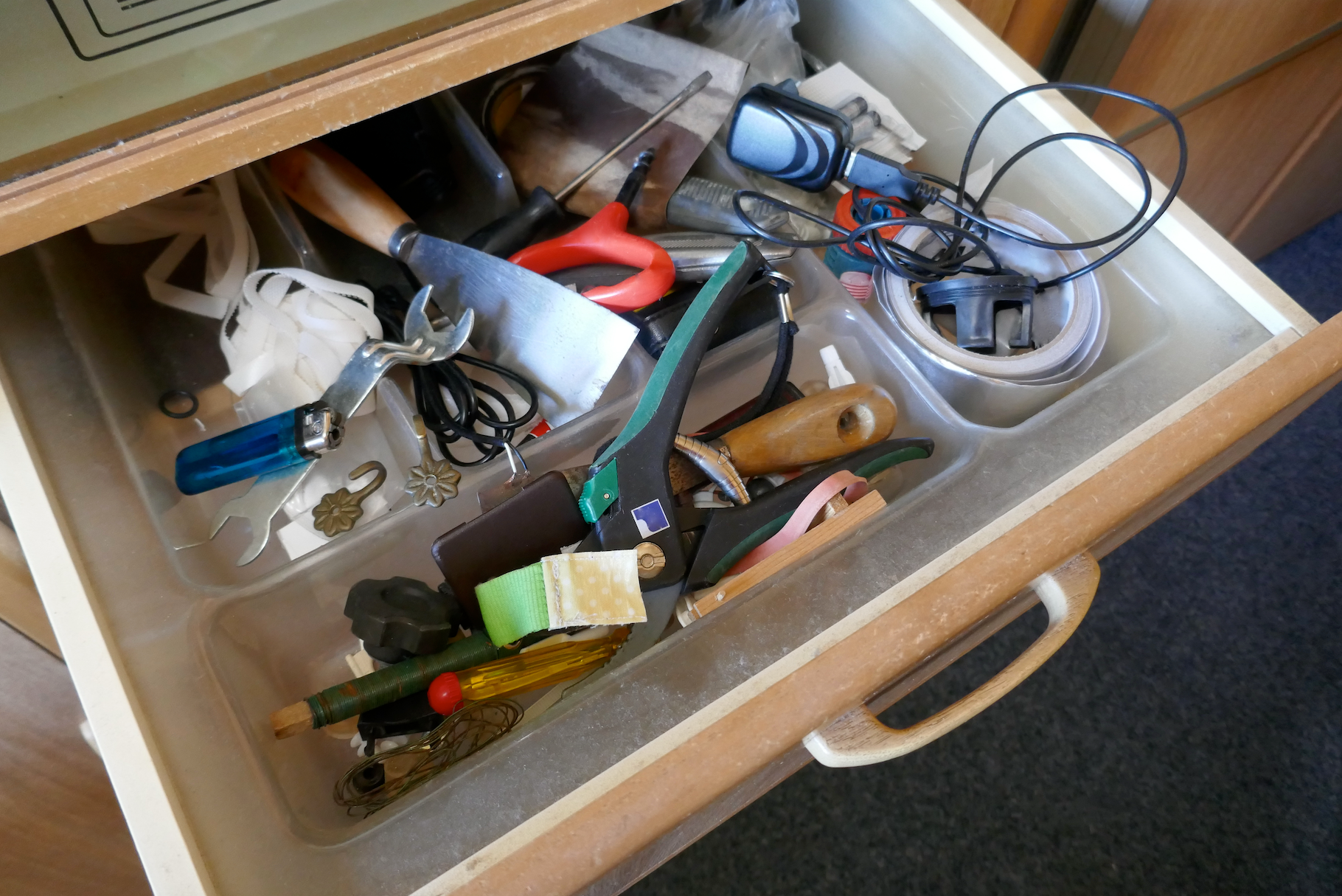
Your Media List Is Not a Junk Drawer
One of the biggest mistakes organizations make when sending news releases or media pitches is confusing volume with strategy. They think the more reporters they email, the better their chances of getting coverage.
That sounds logical. It’s also wrong.
A media list is not a junk drawer for every reporter email address you have ever collected. It should be a carefully built, constantly updated tool that supports your campaign.
Public relations works best when the right information gets to the right person at the right time. That does not happen by dumping a press release into a massive list of contacts and hoping someone bites. It happens when you understand who is on your media list, what they cover, who their audience is, and whether the information you are sending them is actually useful.

Why PR Matters More Than Ever in the Age of AI
Artificial intelligence is changing the way people search for information, evaluate businesses and decide who to trust. For years, companies and organizations have focused on being found by search engines. Today, they also need to think about being found, recognized and understood by AI.
That starts with recognizing an important point: AI is not magic. It learns from what already exists about you online.

Summer Is NOT Slow Season for PR
Every year around Memorial Day, there’s a common communications refrain that comes from some kinds of businesses:
“Things slow down in the summer, so we’ll focus on PR again in September.”
That mindset is a huge mistake.
Summer is one of the best times of the year to generate media coverage, strengthen visibility, and build momentum before the crowded fall season begins.

The Fastest Way to Not Get News Coverage
One of the most common things I hear from clients goes something like this:
“We saw this event get great media coverage. We want coverage like that.”
And ironically, that mindset is often the fastest way to not get media coverage at all.
I recently saw a social media video about an event that generated a huge amount of press attention and online engagement. Almost immediately, I knew what would happen next. Organizations and businesses would see the success of that coverage and think: “Let’s do the same thing.”
The problem is that reporters usually don’t want to tell the same story twice.

Every Hit Counts: Why Smaller Media Placements Matter More Than Ever
One of the biggest misconceptions in public relations is the belief that only “big” media hits matter. Clients often focus entirely on landing stories in national outlets like The New York Times or appearing on major television networks, assuming that smaller publications somehow carry less value. While those larger placements can absolutely be impactful, the reality is that smaller legitimate media outlets are often just as important — and in some cases, strategically even more valuable over time.
Pitch the Story You Can Already See
If a reporter can’t picture the story before they commit to it, they won’t cover it. It’s that simple.
Journalists are making dozens, sometimes hundreds, of decisions a day about what’s worth their time. The fastest way to get ignored isn’t a bad idea, it’s a vague one. If your pitch doesn’t help them see the finished piece, they move on. Great pitching isn’t about selling hype; it’s about delivering clarity.

Pop Culture Gets Reporters Wrong—And It’s Hurting Your PR
If you watch enough TV or movies, you’d think every reporter is out to get you, aggressive, confrontational, chasing “gotcha” moments, and ready to ruin someone’s life for a headline. It makes for great drama. It’s also not how most reporters actually operate. The reality is far less sensational and far more practical. Reporters are doing a job under real constraints, tight deadlines, multiple assignments, limited time, and often incomplete information. They’re not looking to pick a fight. They’re trying to get the story right.

Urgency Is Not a Strategy
“We need to get this out fast.”
It’s one of the most common phrases in public relations—and one of the most dangerous.
Because urgency, in most cases, is a client emotion, not a media reality.
There’s a natural instinct to want to move quickly when something happens: you win an award, reach a milestone, sign a contract. It feels important. It feels like now.
But here’s the truth: what feels urgent internally rarely translates to urgency externally. Newsrooms are not sitting around waiting for your announcement. They’re triaging stories based on what matters most to their audience in that moment.
And most of the time, your “we need this out today” simply doesn’t make their cut.

If You Plan Your Event (only) for the Cameras, You’re Doing It Wrong
One of the biggest mistakes a company or non-profit can make when they plan events is to put the media before their community.
This week, I’m working with a client who was deciding when to hold a ribbon cutting for their new location. They’re a sports training facility for kids, so having families participate was essential if they wanted to get good coverage. And so the instinct was to plan the event on a weekday, because that’s when the media works.
But I counseled them against that and for a couple important reasons.
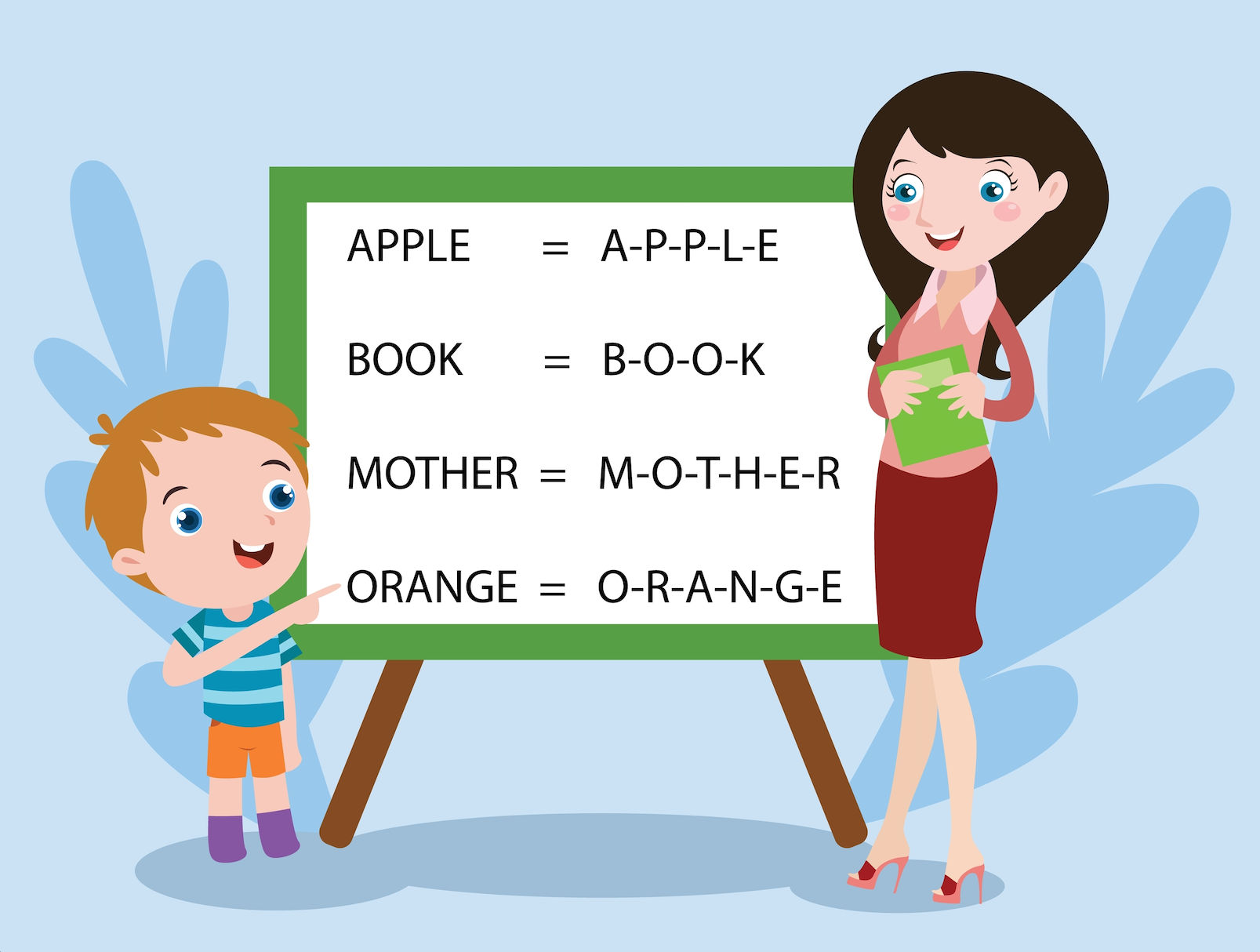
If You Work in Public Relations, You Should Know How to Spell
Public relations professionals often like to describe themselves as the best communicators in the room. It’s part of the identity of our profession. We shape messages, craft narratives, and translate complicated ideas into language that the public can understand. Communication is the core of our job.
But there is a problem that rears its ugly head far too often in our industry: basic spelling and grammar mistakes.

How a PR Idea Becomes a Pitchable Story
Great public relations does not begin with a pitch. Or what outlet you want to be in. Or who you know at that publication.
It begins with clarity. About your business, your audience and your goals.
Why Consistent Press Hits Matter More Than One Big Media Win
In public relations, there is a powerful and very understandable temptation to chase the biggest possible media placement — a feature in The New York Times, an appearance on The Today Show, or another high-profile national outlet that instantly feels like validation.
These placements sound impressive, present well for internal presentations, and often become the shorthand for “success” in the minds of executives and boards.
But when that desire is driven more by ego than strategy, it can quietly derail an otherwise effective PR program.

If You Can’t Say It in 8 Seconds, You’re Not Ready for Media
There is a simple but revealing test often used when preparing someone for a broadcast interview, and it cuts straight to the heart of how modern newsrooms operate: if a message cannot be delivered clearly and confidently in eight seconds, it is not ready for media.
That idea may sound harsh at first, but it accurately reflects the reality of today’s broadcast environment.

What Is a PR Person’s Job, Really?
If you’ve watched a little too much Sex and the City or Scandal, you might think Public Relations is all crisis phone calls, dramatic monologues, and clever one-liners delivered in glass-walled conference rooms. It makes for great television. It is also wildly inaccurate.
In reality, PR is about helping clients connect with the audiences they serve. Most often, that means generating publicity and securing media coverage that builds visibility, credibility, and trust. It can also include supporting social media strategy, producing newsletters, helping shape website messaging, or creating content that reinforces a brand’s story.
PR Tactics That Defined 2025: Storytelling, Power Shifts, and the New Media Reality
If 2024 hinted at where public relations was headed, 2025 made it unmistakable: the center of gravity in media and storytelling has shifted—and PR professionals who adapted were far more effective than those who didn’t.
This was not the year of chasing headlines for the sake of visibility. Instead, it was the year PR became more intentional, more owned, and more human. The tactics that worked reflected a new reality about how audiences consume information, who they trust, and where influence truly lives.

Rinse, Repeat, Succeed: Why PR Works the Way It Does
So much of public relations is rinse and repeat.
And no, that’s not a criticism of our profession. It’s how PR works.
In an industry that constantly evolves—new platforms, new news cycles, new audience behaviors—the fundamentals stay the same. They’re built around how newsrooms operate, what reporters need, and how stories actually get told.
If you understand - and master - those fundamentals, you can communicate with the media more effectively than most people.