
If You Plan Your Event (only) for the Cameras, You’re Doing It Wrong
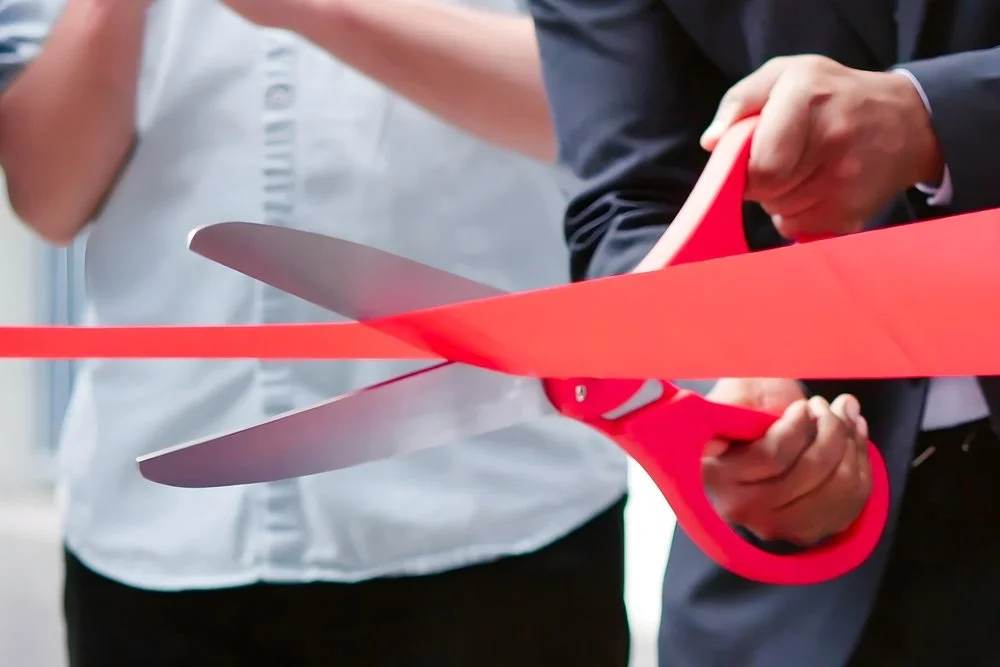
One of the biggest mistakes a company or non-profit can make when they plan events is to put the media before their community.
This week, I’m working with a client who was deciding when to hold a ribbon cutting for their new location. They’re a sports training facility for kids, so having families participate was essential if they wanted to get good coverage. And so the instinct was to plan the event on a weekday, because that’s when the media works.
But I counseled them against that and for a couple important reasons.
First, a ribbon cutting is rarely “must-cover” news, especially in a market as large and competitive as New York. During the workweek, newsrooms have to cover press conferences, breaking news, political developments, court cases, and countless other stories competing for attention. Against that backdrop, a ribbon-cutting simply doesn’t rise to the top of the assignment list.
Second, when organizations plan these events during the week, it’s unlikely they get a good turnout from their students and families. Parents are working and kids are in school. You might have one or two families show up, a small group of staff members, and perhaps no cameras at all. The event feels flat, the room is empty, and the media coverage will reflect the lack of interest.
So instead of following the typical weekday approach, I recommended that the client hold the ribbon cutting on a weekend, when all of the opposite is true.
On a weekend, families are more likely to show up. The event can become something more than a ceremonial moment with a giant pair of scissors and a ribbon. It can turn into a real community gathering with activity, energy, and engagement.
When people show up in large numbers, the event takes on a completely different character. There’s movement, excitement, and genuine interaction. It becomes a place where photos and video actually capture something meaningful rather than a staged moment in front of an empty room.
Ironically, this approach often makes the event more attractive to the media anyway. Reporters and producers are always looking for visual, active, community-centered stories. A ribbon cutting with families, kids, and a lively atmosphere is far more compelling than a quiet weekday ceremony attended by a handful of people.
And even if the media doesn’t attend the weekend event, the event still succeeds. The organization walks away with strong photos, video, and authentic moments that can be shared through social media, newsletters, and a follow-up news release. The story still gets told, and it’s supported by visuals that reflect real community participation. And the families walk away excited to be part of the community.
The larger lesson is simple. When planning events, program them for your community first and the media second. An event that truly serves and engages the people around you will almost always be stronger, more authentic, and more successful.
And in many cases, when the community shows up, the media eventually follows.
